National Lame Duck Day (February 6)
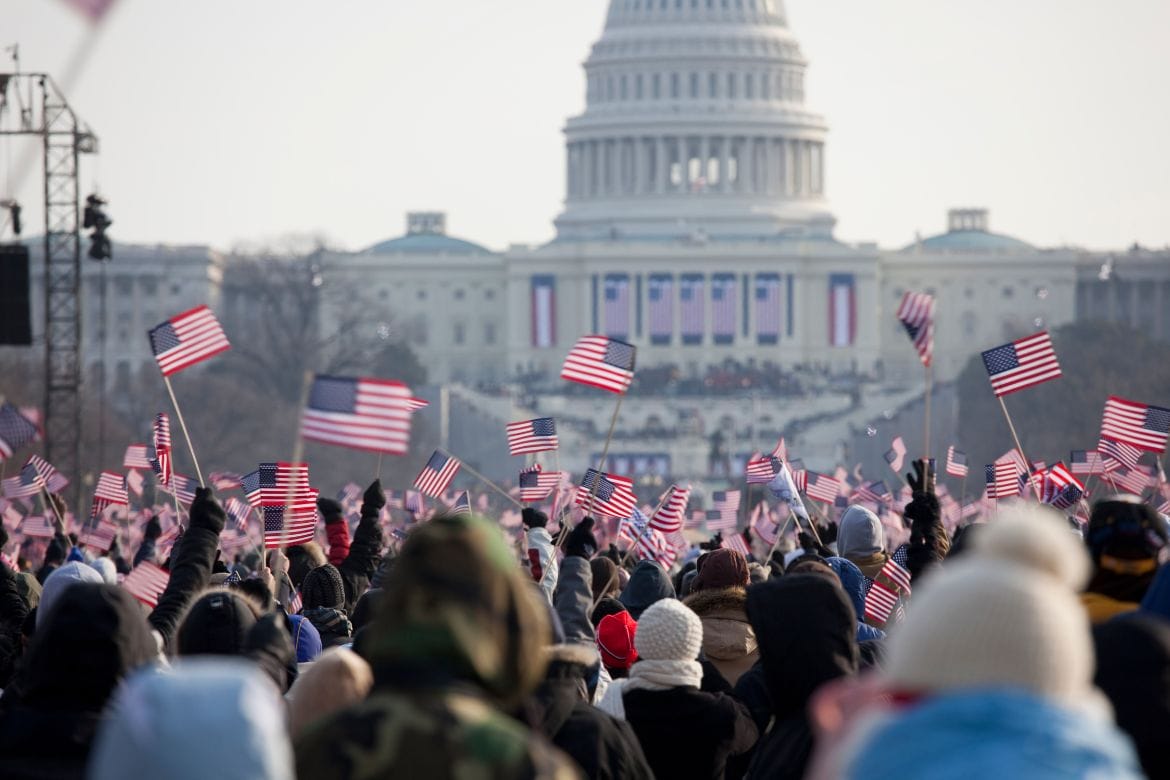
National Lame Duck Day on February 6 highlights the unusual period between an election and a new leader taking office.
While it’s not exactly a party holiday, it’s a fascinating look at how political transitions work in the U.S.
If you enjoy history or civics, this lesser-known February observance gives plenty to explore and discuss.
When Is the Holiday?
It’s celebrated annually on February 6th, marking a historical moment in U.S. politics tied to the presidential transition period.
Who Invented It?
There’s no single person credited with creating this holiday. The observance grew from the historical and political importance of the “lame duck” period in U.S. government.
The Significance of National Lame Duck Day
It draws attention to the transition period between outgoing and incoming leaders. During this time, officials remain in office but have limited political influence.
The day encourages reflection on how power transitions affect government decisions and public trust.

Origins of the Term “Lame Duck”
The phrase “lame duck” originated in 18th-century English stock markets. It described investors who couldn’t pay their debts.
Over time, the term shifted into politics, referring to officials nearing the end of their terms. By the 1800s, it was commonly used in the U.S. to describe leaders with declining influence.
Historical Context of Presidential Transitions
Before the 20th Amendment, presidents didn’t take office until March, creating long transition periods.
This caused problems, especially during crises. In 1933, Herbert Hoover had limited authority after losing the election, delaying action during the Great Depression until Franklin D. Roosevelt was sworn in.
The 20th Amendment shortened this gap, making leadership changes more efficient.

Top 5 Facts About the Holiday
- “Lame duck” began as a financial term in the 1700s.
- It entered political use in the 1800s.
- The 20th Amendment shortened transition periods.
- The holiday is uniquely American.
- It highlights peaceful transfers of power.
Coloring Page
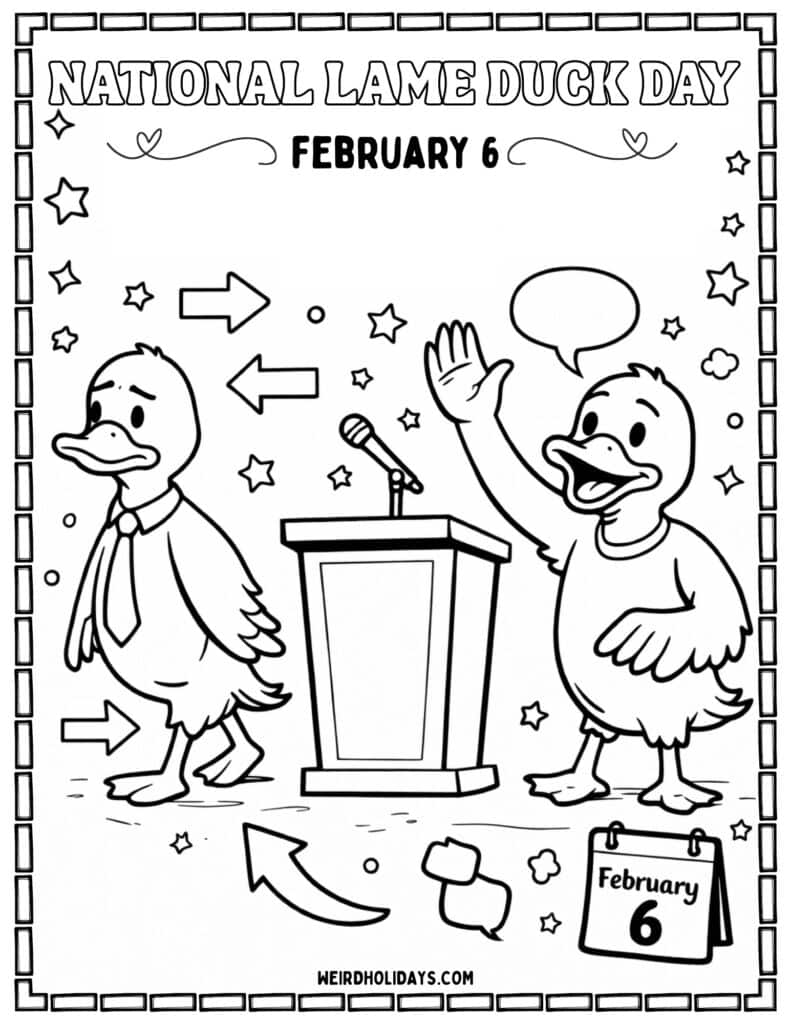
If you’re celebrating with kids, this free lame duck coloring page is a fun way to introduce history through creativity.
Celebrating the Day
- Research major presidential transitions and their impact.
- Discuss how leadership changes affect government decisions.
- Create a timeline of past inaugurations.
- Read kid-friendly books about U.S. presidents.
- Follow current political transitions in the news.
- Try themed activities like quizzes or simple crafts.
- Watch a historical documentary and discuss it.
Related Holidays
- National Freedom Day (February 1) – Honors civil rights and important moments in U.S. history.
- Presidents’ Day: Honoring U.S. presidents and their leadership legacies.
- Constitution Day: Celebrating the signing of the U.S. Constitution.
- Election Day: A pivotal moment in the democratic process.
Pin it!
Share this post about National Lame Duck Day on Pinterest!
