National Jewel Day (March 13)
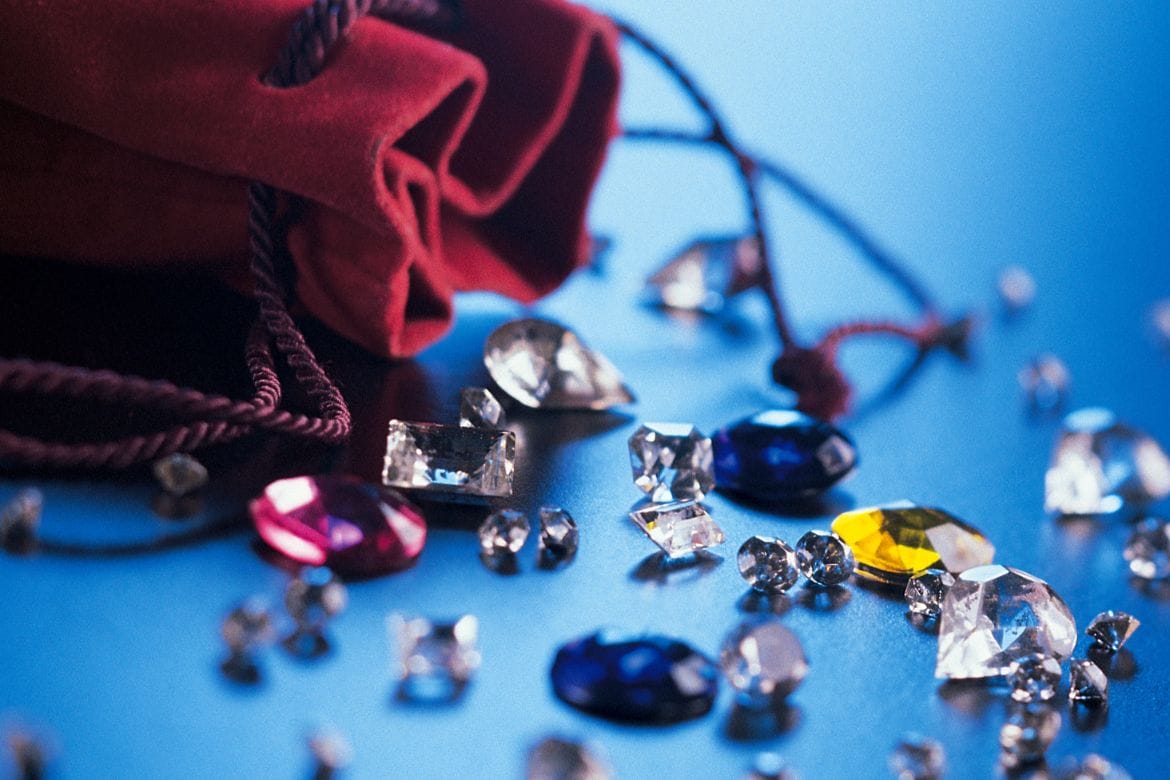
National Jewel Day is on March 13, and it’s basically a reminder that humans have always been distracted by shiny things.
And honestly? Fair enough.
Whether it’s a diamond ring, a slightly dramatic birthstone necklace, or a rock a child insists is “rare treasure,” jewels have a way of feeling important. Sometimes they’re expensive. Sometimes they’re sentimental. Sometimes they’re just sparkly and that’s enough.
It’s one of those March holidays that leans into beauty without requiring you to host anything or bake anything.
When is the Holiday?
It’s celebrated every year on March 13th. No seasonal reason. No celestial alignment. Just a good day to appreciate things that catch the light.

Who Invented It?
No official founder.
It likely grew out of jewelers or gem enthusiasts who didn’t mind having a calendar day dedicated to sparkle. Over time, it just… stayed.
Which feels appropriate. Jewels tend to stick around.
A Little History Behind Jewels
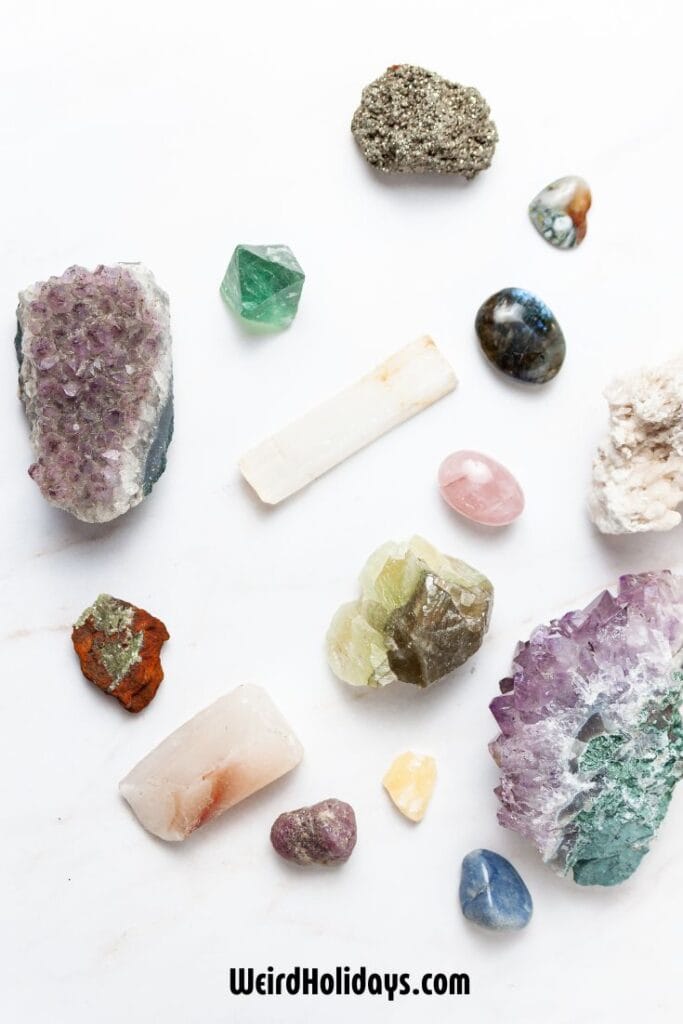
People were wearing gemstones long before shopping malls existed.
Ancient Egyptians believed certain stones offered protection. The Romans treated gems like lucky charms. Medieval royalty basically wore their wealth publicly.
Jewels weren’t subtle.
And while we don’t usually carry amulets into battle anymore, gemstones still show up at major life moments. Engagements. Anniversaries. Big birthdays. They mark things.
Humans change. Sparkle doesn’t.
Five Jewel Facts That Are Actually Worth Knowing
Some gemstones glow under ultraviolet light. Not metaphorically. Actually glow. Rubies, for example, can light up red under UV, which feels slightly magical and slightly science lab at the same time.
Emeralds almost always have internal cracks and inclusions. In fact, a perfectly clear emerald is so rare that tiny flaws are expected. Jewelers even have a polite word for them: “jardin,” which means garden. That sounds nicer than “fracture.”
Pearls are the only gemstones made by living creatures. They form when an oyster decides to coat an irritant layer by layer until it becomes something beautiful. It’s basically patience turned into jewelry.
Diamonds can burn. They’re incredibly hard, yes, but expose them to high enough heat and oxygen and they can combust. The toughest gemstone on Earth still has limits.
Spinel spent centuries being mistaken for ruby. Some famous “rubies” in royal crowns were later discovered to be spinel. Which is slightly awkward for history books.
Coloring Page
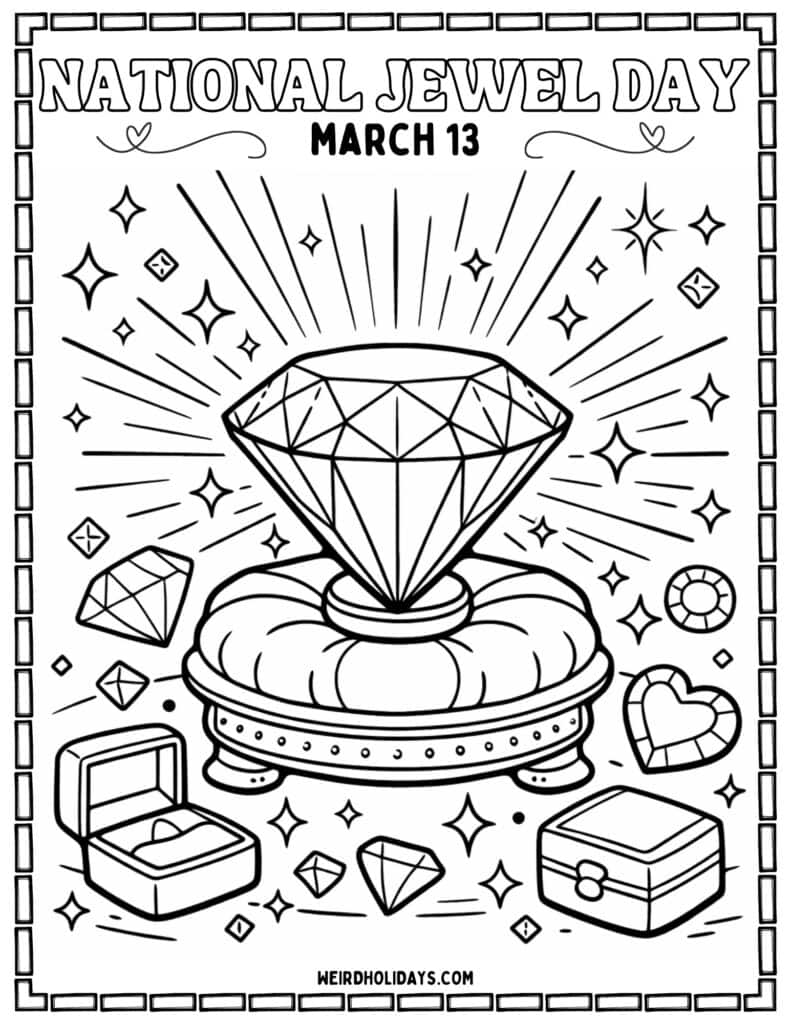
After learning a few fun facts about gemstones, kids can relax and get creative with this jewel-themed coloring page inspired by sparkling stones.
Activities to Celebrate
You don’t need a vault of diamonds to participate.
Visit a museum exhibit if one’s nearby. Seeing historic jewelry up close makes it feel less abstract and more human.
At home, simple jewelry-making works surprisingly well. Beads, string, a little patience. Kids tend to take it very seriously.
Looking up birthstones can spiral quickly into symbolism and personality traits. It’s half history, half horoscope energy.
If you want to go slightly deeper, this is also a good moment to talk about where gemstones come from and why ethical sourcing matters. Sparkle has layers.
**This post may contain affiliate links. As an Amazon Associate and a participant in other affiliate programs, I earn a commission on qualifying purchases.**
Links to Resources
If you have a kid who’s suddenly obsessed with rocks (it happens), a solid rock and gem book is actually worth having around. It answers the “why is this shiny?” questions before they turn into Google spirals.
If your own jewelry has been sitting in a drawer looking a little dull, a basic jewelry cleaner can make a surprising difference. Sometimes sparkle just needs a rinse.
For a low-effort craft afternoon, a jewelry-making kit is an easy win. Open box. Dump beads. Instant bracelets.
If you want something a bit different, diamond painting earrings are oddly satisfying to make. Tiny sparkle, very focused energy.
The crystal “watering can” craft is colorful and slightly dramatic — good if you lean into whimsical decor.
Growing borax crystals at home is part science experiment, part “look what we made.” It’s not technically a gemstone, but it feels close enough.
If you’ve ever found quartz that looks rusty, there are simple guides on cleaning iron stains safely so the crystal shows through again.
Stacked stone bead bracelets are beginner-friendly and look more impressive than they are.
Rhinestones deserve their own moment too. There are simple guides that explain how to use them without gluing everything permanently to your fingers.
If you like upcycling, soda tab gemstone necklaces are surprisingly clever. Slightly scrappy. Still sparkly.
And yes, rhinestone tumblers exist. They are dramatic. They are not subtle. They are absolutely on theme.

Related Holidays
- National Spouse Day (January 26) – A day focused on celebrating marriage and showing appreciation for your partner, often marked with thoughtful gifts, cards, or special time together.
- International Tiara Day (May 24) – A fun, lighthearted holiday that encourages everyone to wear a tiara (yes, even adults) and embrace a little sparkle, confidence, and royalty for the day.
- National Girlfriend Day (August 1) – A celebration of friendships and romantic partners alike, perfect for honoring the important women in your life with small surprises or quality time.
FAQs About Jewels
It’s debated, but stones like painite are considered among the rarest on Earth.
Generally, yes, “jewel” usually refers to a gemstone that has been cut and polished.
Some stones, like alexandrite, shift color depending on the light source.
Pin it!
Share this post about National Jewel Day on Pinterest!